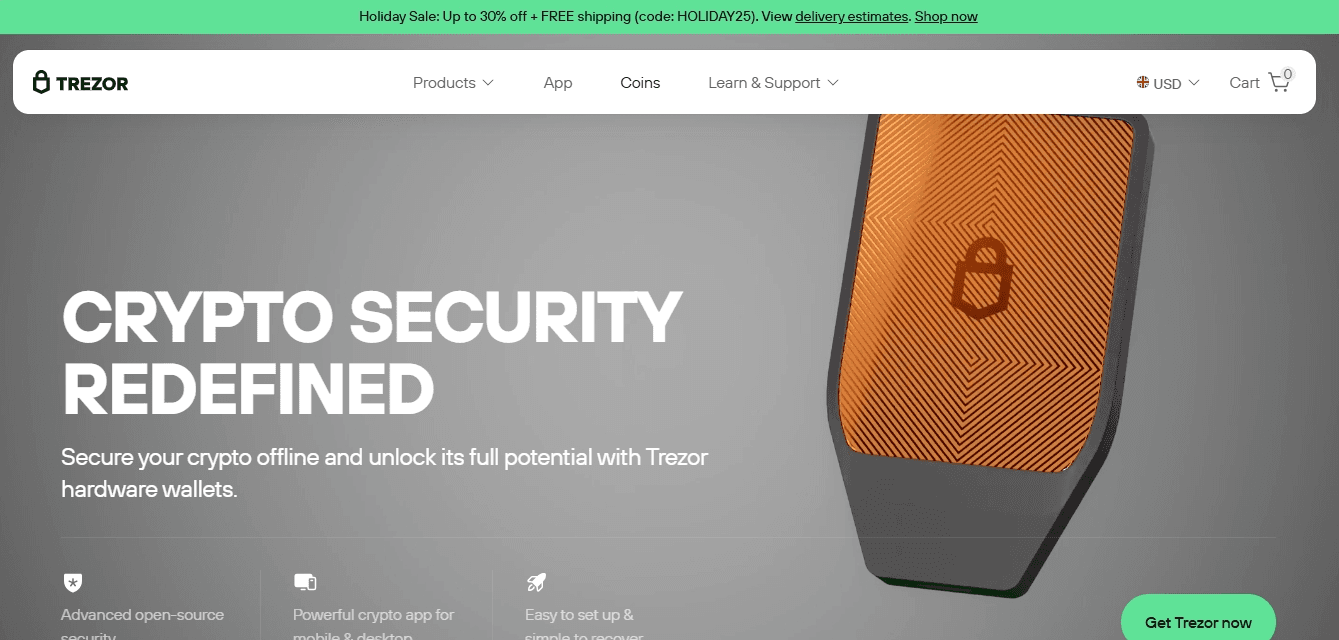
Trezor.io/start: The Complete Guide to Secure Cryptocurrency Management
In the rapidly growing world of cryptocurrencies, securing digital assets is a critical priority for investors of all levels. Trezor.io/start is the official gateway for setting up and using Trezor hardware wallets, one of the most trusted solutions for safeguarding cryptocurrencies. By combining offline storage with an intuitive interface, Trezor allows users to manage their assets safely while maintaining full control over private keys.
This guide provides a comprehensive overview of Trezor.io/start, explaining how to set up Trezor devices, use Trezor Suite, manage multiple cryptocurrencies, enhance security, troubleshoot common issues, and implement best practices for long-term cryptocurrency management.
What Is Trezor.io/start?
Trezor.io/start is the official starting point for anyone using a Trezor hardware wallet. The website guides users through the entire onboarding process, from device initialization to connecting with Trezor Suite, the official software interface for managing cryptocurrencies.
Key functions of Trezor.io/start include:
Step-by-step setup instructions for Trezor Model One and Model T
Access to Trezor Suite for portfolio management
Download links for desktop and web applications
Security guidelines for protecting recovery seeds and private keys
Firmware update instructions to ensure device security
By using Trezor.io/start, users avoid phishing scams and counterfeit devices, ensuring a secure onboarding experience.
Why Use a Trezor Hardware Wallet?
Trezor hardware wallets provide a high level of security compared to software or exchange wallets. The main benefits include:
Offline Storage (Cold Wallet): Private keys never leave the device, protecting funds from online threats.
Multi-Currency Support: Trezor supports Bitcoin, Ethereum, and thousands of other cryptocurrencies.
Secure Transactions: All transactions are approved directly on the device, preventing tampering.
Integration with Trezor Suite: Users can view balances, send and receive assets, and manage accounts through a secure interface.
Backup and Recovery: Recovery seeds allow funds to be restored if the device is lost or damaged.
Trezor wallets combine security with user-friendly management, making them ideal for beginners and experienced crypto holders alike.
Getting Started with Trezor.io/start
Step 1: Purchase an Official Trezor Device
Buy only from the official Trezor website or authorized resellers.
Avoid third-party marketplaces to reduce the risk of tampered devices.
Step 2: Visit Trezor.io/start
Open a secure browser and navigate to Trezor.io/start.
Select your Trezor model (Model One or Model T).
Follow the instructions to download Trezor Suite, available for Windows, macOS, Linux, and browser-based use.
Step 3: Initialize Your Device
Connect the Trezor device to your computer or mobile device.
Choose Set up as new device or Recover wallet if restoring an existing account.
Create a PIN code for the device. The PIN prevents unauthorized access if the device is lost or stolen.
Step 4: Write Down Your Recovery Seed
Trezor generates a 12- or 24-word recovery seed depending on the configuration.
Record the seed on the provided recovery card and store it securely offline.
Never store the recovery seed digitally or share it with anyone.
Step 5: Confirm the Recovery Seed
The device will prompt you to confirm the recovery phrase by selecting words in the correct order.
Successful confirmation ensures that your wallet can be restored if the device is lost or damaged.
Step 6: Connect to Trezor Suite
Open Trezor Suite and follow the on-screen instructions.
Pair your Trezor device with the software via USB or supported mobile connections.
Once connected, Trezor Suite will display your portfolio and allow secure transaction management.
Trezor Suite Overview
Trezor Suite is the official software interface for managing Trezor hardware wallets. It provides:
Dashboard: Overview of balances, recent transactions, and total portfolio value
Accounts: Multiple cryptocurrency accounts for managing different assets
Send and Receive: Securely send or receive cryptocurrencies with device verification
Portfolio Tracking: Track asset performance over time and monitor diversification
Firmware Updates: Ensure your device is running the latest security updates
Trezor Suite bridges the gap between hardware security and convenient asset management, providing a seamless experience for users.
Supported Cryptocurrencies
Trezor supports a wide range of cryptocurrencies, including:
Bitcoin (BTC)
Ethereum (ETH) and ERC-20 tokens
Litecoin (LTC)
Bitcoin Cash (BCH)
Dash, Zcash, and other altcoins
Thousands of tokens across supported networks
Trezor Suite and the Trezor device work together to manage these assets securely in one interface.
Sending and Receiving Crypto
Receiving Cryptocurrency
Open Trezor Suite and select the account for the cryptocurrency you want to receive.
Click Receive to generate a wallet address.
Verify the address on the Trezor device screen.
Share the address with the sender.
Sending Cryptocurrency
Select the cryptocurrency to send and enter the recipient’s address.
Enter the amount and review transaction fees.
Confirm the transaction on your Trezor device.
The device signs the transaction securely offline, preventing modification.
Security Features of Trezor Wallets
Private Key Ownership
Private keys remain on the device and never connect directly to the internet.
All cryptographic operations are performed internally, preventing unauthorized access.
PIN and Passphrase
A PIN code protects the device from unauthorized access.
An optional passphrase can create hidden wallets for enhanced security and privacy.
Recovery Seed
The 12- or 24-word recovery phrase is essential for restoring a wallet.
Store it offline in a secure location, as anyone with access to it can control your funds.
Firmware Verification
Trezor Suite verifies the firmware on your device and prompts updates when necessary.
Physical confirmation on the device is required for firmware installation, reducing the risk of tampering.
Best Practices for Using Trezor
Always buy Trezor devices from official sources.
Never share your recovery seed or store it digitally.
Enable PIN and passphrase protection.
Keep firmware and Trezor Suite updated.
Verify all transaction addresses on the device screen.
Avoid phishing websites and suspicious links.
Store your recovery seed in a secure, offline location.
Following these practices maximizes the security of your digital assets.
Trezor vs Other Hardware Wallets
FeatureTrezor WalletLedger WalletSafePal WalletCustodial vs Non-CustodialNon-CustodialNon-CustodialNon-CustodialPrivate Key SecurityOfflineOfflineOfflineMulti-Currency SupportThousandsThousandsHundredsStaking SupportLimitedYesLimitedDesktop/Mobile AccessBothBothBothRecovery Seed12–24 Words24 Words12 Words
Trezor stands out for its transparency, open-source approach, and robust support for multiple cryptocurrencies.
Advanced Features of Trezor Wallet
Passphrase-Encrypted Hidden Wallets
Create hidden wallets that require a passphrase in addition to the recovery seed.
Provides additional privacy and protection against physical theft.
Third-Party Integrations
Connect Trezor to compatible wallets and decentralized finance (DeFi) platforms.
Supports Web3 applications for Ethereum and other smart contract networks.
Firmware Updates
Trezor devices regularly receive firmware updates for improved security and functionality.
Updates require physical confirmation to prevent remote tampering.
Troubleshooting Common Issues
Device Not Recognized
Ensure USB connections are secure.
Restart Trezor Suite and reconnect the device.
Check for driver updates if using Windows.
Forgotten PIN
Enter the wrong PIN three times to reset the device.
Restore using the recovery seed to regain access.
Transaction Delays
Network congestion may delay confirmation.
Ensure appropriate transaction fees are selected.
Lost Device
Use the recovery seed to restore your wallet on a new device.
Immediately secure your accounts if your device is lost or stolen.
Advantages of Using Trezor
Offline storage for maximum security
Multi-currency support for diversified portfolios
Integration with Trezor Suite for easy management
Open-source firmware and software for transparency
Passphrase and hidden wallet options for advanced privacy
Recovery options in case of device loss
Limitations
Requires purchase of a physical device
May not be ideal for instant mobile transactions
Users must securely manage the recovery phrase
Limited staking and DeFi support compared to some other wallets
Despite these limitations, Trezor remains a leading solution for long-term, secure cryptocurrency storage.
Conclusion
Trezor.io/start provides a secure and reliable starting point for setting up and using Trezor hardware wallets. By guiding users through initialization, recovery, and integration with Trezor Suite, the platform ensures a safe onboarding process.
Trezor wallets combine offline private key storage, multi-currency support, and advanced security features to protect digital assets. Following best practices—such as securing recovery seeds, using PINs and passphrases, and regularly updating firmware—enhances safety further.
For those seeking a secure, transparent, and user-friendly solution to manage cryptocurrency holdings, Trezor wallets paired with Trezor.io/start offer a trusted and effective platform for both beginners and experienced investors.